Effective Treatments For Chronic Jaw And Facial Pain Relief
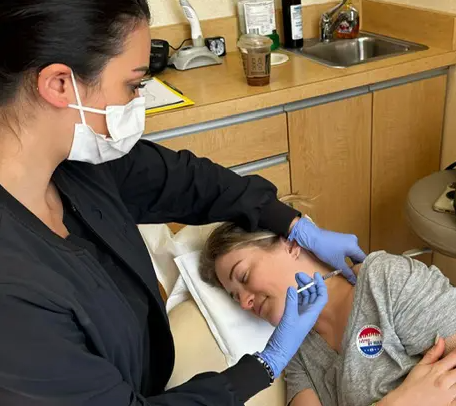
Understanding the Source of PainDealing with chronic jaw, facial, or head pain can be a life-altering experience. One of the most frequently asked questions I receive is whether an orofacial pain specialist is appropriate to consult once traditional treatment has been unsuccessful for a painful condition. With the help of an orofacial pain specialist, the source of pain can be discovered, and an individualized plan of treatment that eliminates the cause can lead to the regaining of comfort.Common Causes of orofacial oainFacial and jaw pain in the elderly may be caused by several reasons, such as:Temporomandibular joint (TMJ) disordersChronic headaches or migrainesNerve-related issues like trigeminal neuralgiaClenching and grinding of the jaws due to stressMuscle fatigue or inflammationIdentifying the cause is key, and that’s why a specialist assessment is often required.Diagnostic Approaches for Lasting Relief(Orofacial Pain Specialist has high training in this subject – It’s a 2-year full-time study.) Receiving an extensive history taking, physical examination, and sometimes imaging. This is how we know that the cause is not due to dental, neurological, or muscular problems. Correct diagnosis is the basis of successful treatment.Non-Invasive Treatment OptionsSome individuals can obtain benefits from conservative treatments before using additional advanced treatments. Common non-invasive treatments include:Personalized appliance to minimize grinding of teethPhysical therapy to help your jaw move and become stronger, relaxation and possibly other forms of stress reduction (eg biofeedback)Drugs to relax muscles or control inflammationThese are less invasive methods for reducing symptoms and sometimes produce significant symptom relief without surgery.Advanced Interventions for Severe CasesAn orofacial pain specialist may suggest advanced treatment for patients with severe and chronic conditions. These might include:Injection therapies to ease inflammationNerve stimulation methods for chronic neuralgiaLess invasive modalities for TMJ dysfunctionShared care with neurologists or physiotherapistsThe aim is to develop a complete care strategy that contributes to better daily activity and long-term comfort.Lifestyle Adjustments That Support RecoveryIn addition to professional treatment, habits have enormous effects on pain control. Patients are often encouraged to:Keep your posture and jaw in checkDo not eat hard or crunchy foods that put stress on your jaw.Utilize relaxation techniques to minimize stress-induced clenchingSleep – Keep a well-regulated sleep rhythm for wellness and recuperationAll of these little adjustments add up, and when combined with specialist care, they can also make a big difference in quality of life.When to Seek Professional HelpIf jaw or facial pain continues for several weeks and prevents individuals from sleeping or carrying out their normal daily activities, they should seek professional examination. An orofacial pain specialist has the knowledge to manage advanced cases that can be outside of general dental or medical practice. If you get the right treatment early, the problem doesn’t have to get worse and harder to manage.”ConclusionChronic jaw and facial pain, for example, can make eating, speaking and even mental well-being difficult. With adequate assessment and management with an orofacial pain specialist, there are viable solutions that can enable these patients to take their lives back. When chronic pain starts to affect your health, it may be time to see an expert.